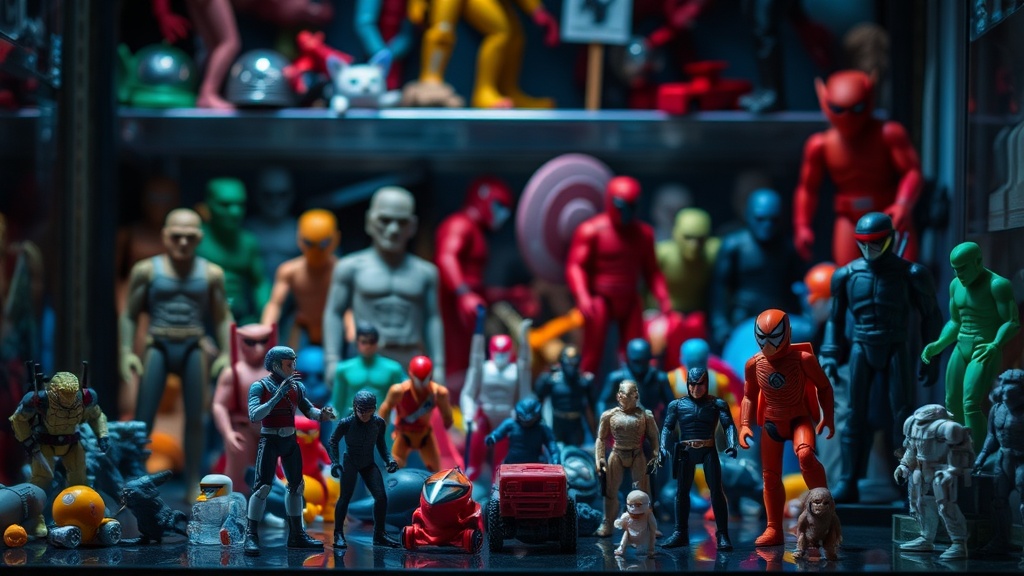
How to Prevent Plastic Degradation in Your Toy Collection

Protecting Your Plastic Figures from Environmental Damage
In this post, you'll learn the specific steps required to stop your McDonald's Happy Meal toys from turning yellow, becoming brittle, or suffering from "sticky plastic" syndrome. We're focusing on the chemical realities of polymer aging and how you can control your environment to stop it.
If you've ever opened a vintage box only to find a toy that looks much darker or yellower than it should, you've seen degradation in action. This isn't just a visual issue; it's a structural one. When plastic degrades, it loses its integrity. A figure that once felt sturdy might become snap-prone or, in the case of certain types of soft PVC, become incredibly tacky to the touch. Understanding why this happens is the first step to stopping it.
Why do vintage plastic toys turn yellow?
The most common culprit for discoloration in older toys is UV exposure. Sunlight—even the indirect light from a window—breaks down the chemical bonds in the polymers. This is especially true for white or light-colored plastic. This process is often called photodegradation. Even if you aren't keeping your collection in direct sunlight, even standard indoor lighting can contribute over long periods. If you're looking for more technical details on how light affects materials, the ScienceDirect documentation on photodegradation offers a deep look into the molecular level of this process.
Another factor is the presence of flame retardants or certain dyes used in the manufacturing process. Some older plastics were treated with chemicals that, over decades, undergo a process called "outgassing." This is where the chemicals inside the plastic migrate to the surface. This often results in that unpleasant, sticky feeling that makes a toy feel like it's covered in glue. It's a common issue with certain types of vinyl used in the 90s and early 2000s.
Can you fix a sticky or discolored toy?
The short answer is: it's difficult, and you must be careful. If a toy is sticky due to outgassing, sometimes a gentle wash with a mild, pH-neutral soap can help. However, you aren't truly "fixing" the chemical structure; you're just cleaning the surface. If the plastic is actually breaking down, a surface clean won't prevent the decay from continuing. For yellowish-white plastics, some collectors use a process called "retrobrighting," which involves using hydrogen peroxide to reverse the discoloration. While this can work, it's a chemical process that carries risks—if done wrong, you can actually make the plastic even more brittle.
Be careful with chemical solvents. What works on a modern figure might destroy a vintage one. Always test a small, inconspicuous area first.
If you're dealing with a toy that has become brittle, the damage is likely permanent. Once the polymer chains have snapped due to age or UV exposure, the material loses its flexibility. At this point, the goal shifts from "repair" to "preventative isolation." You want to ensure the rest of your collection doesn't follow suit.
How do I control humidity for toy storage?
Humidity is the silent enemy of a plastic collection. While plastic itself is relatively waterproof, the way it interacts with moisture-sensitive packaging (like cardboard boxes or paper inserts) can be problematic. High humidity can lead to mold growth on the packaging, which can then transfer to the toy. More importantly, extreme fluctuations in humidity can cause the material to expand and contract, which creates stress on the plastic. This stress can lead to micro-cracks that eventually become visible flaws.
- Monitor your space: Use a digital hygrometer to track the humidity in your display area.
- Avoid the basement: Basements are often too damp and prone to temperature swings.
- Use silica gel: If you store your toys in airtight acrylic cases, placing a small silica packet inside can help maintain a stable, dry environment.
- Airflow matters: Don't cram your figures into a single, unventilated box. Give them room to breathe.
Maintaining a stable environment is far more effective than trying to fix a damaged item later. If you're looking for professional-grade storage solutions, checking out the standards used by museums—such as those outlined by the Library of Congress">Library of Congress—can provide insight into how high-value artifacts are kept in controlled environments. While a McDonald's toy isn't a museum piece, the principles of stable temperature and humidity apply just as much to your collection.
One thing to keep in mind is that temperature and humidity are linked. If you heat a room up, the relative humidity drops, but if you cool it down, the humidity might spike. This is why a climate-controlled room is the gold standard. If you live in a region with harsh winters or sweltering summers, your collection's environment will be a constant battle. A dedicated display case that is sealed from the main room's air can act as a buffer against these changes.
The goal isn't to achieve perfection—that's nearly impossible with vintage items—but to slow the clock down. By managing light, humidity, and chemical-safe storage, you're giving your collection the best chance at staying in top shape for the next several decades. Keep an eye on your pieces, and don't be afraid to move them if you notice the light in your room has changed.