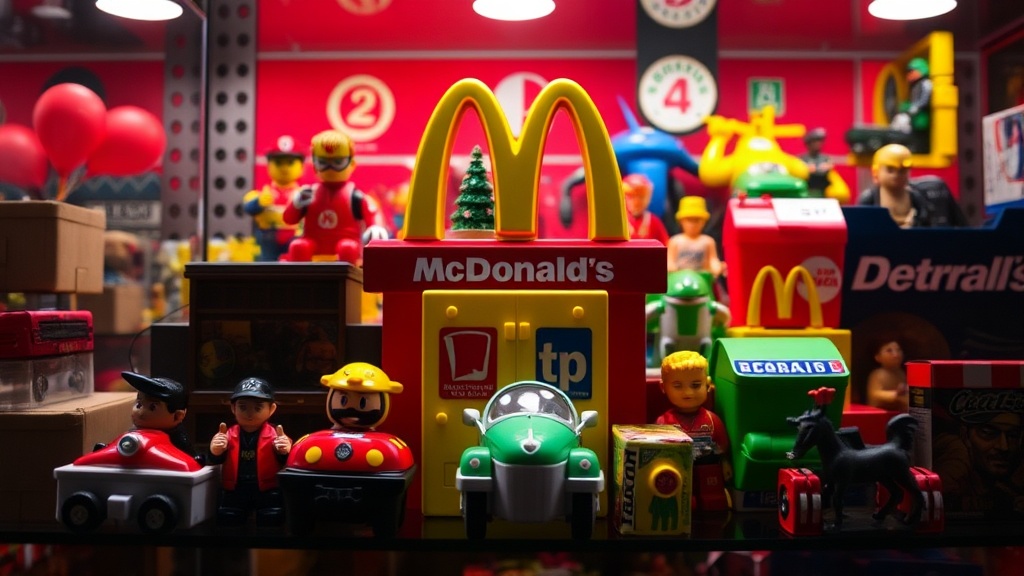
Keep Your McDonald's Toys Mint: Storage Secrets Every Collector Should Know

Quick Tip
Always store McDonald's toys away from direct sunlight and in acid-free containers to prevent plastic degradation and color fading over time.
Proper storage separates toys that hold value from ones that become landfill. Whether protecting a 1999 Ty Beanie Baby or last month's Pokemon promotion, the right containers, climate control, and display choices keep plastic crisp, paint vibrant, and packaging pristine. This guide covers practical methods Hamilton collectors use to preserve fast-food memorabilia for decades.
What's the Best Way to Store McDonald's Toys?
Sterilite 6-Quart Storage Boxes stack neatly in closets and protect against dust. For loose figures, individual 3" x 4" resealable bags (acid-free, from archival suppliers) prevent paint transfer between pieces. That said, tossing everything into one bin spells scratched faces and bent accessories.
Here's the thing — climate matters more than most realize. Heat warps plastic. Humidity breeds mildew on cardboard. Store collections in living spaces (not garages or basements) where temperatures stay between 65-75°F. Worth noting: attics in Hamilton hit 110°F in summer. Bad idea.
| Storage Method | Best For | Cost Estimate |
|---|---|---|
| Sterilite 6-Qt Boxes | Loose toys, bulk storage | $2-4 each |
| Pro-Mold PC50 Cases | Carded premiums, single figures | $3-5 each |
| BCW 2-Mil Poly Bags | Protecting Happy Meal boxes | $0.10-0.25 each |
| IKEA DETOLF Cabinet | Display + dust protection | $70-80 |
Should You Keep McDonald's Toys in Original Packaging?
Mint-in-package (MIP) typically commands 2-5x more than loose equivalents. The 1998 101 Dalmatians sets? Bagged examples fetch $15-25. Loose dogs with scuffed paint? Maybe $3. The catch? Storage changes based on packaging type.
Sealed plastic bags need flat storage — stacking creates creases that buyers notice. Happy Meal boxes demand archival-grade polypropylene sleeves (PVC contains harmful chlorines). For premium displays inside carded bubbles, avoid direct sunlight — UV fades cardboard headers within months. North-facing windows work best.
How Do You Protect McDonald's Toys From Damage?
Direct sunlight destroys toys. Period. Ultraviolet radiation yellows white plastics, bleaches colorful paint apps, and makes PVC brittle. 3M UV-blocking window film helps for display shelves near windows — or just rotate pieces every few weeks.
Pests pose another threat. Silverfish munch cardboard. Mice chew plastic. Cedar blocks and silica gel packets (replaced annually) create hostile environments for critters without chemical risks. Don't use mothballs — the naphthalene odor permeates plastic permanently.
Organization saves money too. Label every container with series names and years. Future-you won't remember which Sterilite holds 2015 Hello Kitty versus 2016 Minions. A simple Brother P-Touch labeler runs $35 and pays for itself when you avoid rebuying duplicates.
Collecting shouldn't mean clutter. Smart storage turns childhood memories into curated collections worth passing down — or selling when the market peaks.