Protecting Your Plastic Legacy: Sunlight and Storage Solutions

Have you ever noticed a slight yellow tint on a white plastic figure that used to be pristine? It's a heartbreak every collector faces eventually. This post examines the specific ways UV radiation and environmental factors degrade plastic, and how you can prevent your collection from falling apart. We'll look at light exposure, temperature control, and the right storage materials to keep your figures in mint condition.
How Does Sunlight Damage Plastic Toys?
Sunlight damages plastic through a process called photodegradation, where UV rays break the chemical bonds in the polymers. Most collectible figures—especially those made from PVC or ABS plastic—are highly sensitive to ultraviolet light. If you leave a high-value figure from a McDonald's Happy Meal on a windowsill, you're essentially inviting decay. The light doesn't just fade the paint; it changes the actual structure of the material.
When UV rays hit the surface, they trigger a reaction that can lead to several visible issues:
- Discoloration: White plastics often turn a sickly yellow or brownish hue. This is common with older vintage toys.
- Brittleness: The plastic loses its flexibility. A figure that was once pliable might become snap-prone or even crumble if handled.
- Paint Fading: Pigments in the paint are often the first thing to go. A vibrant red might turn a dull pink over a few years of light exposure.
It's not just about the look, though. It's about the structural integrity. A figure that's become brittle is no longer a "collector-grade" item—it's a fragile relic. If you're hunting for valuable 1990s Happy Meal toys, you know that condition is everything. A single crack from a brittle limb can tank the resale value instantly.
One way to test the light sensitivity of your environment is to check your UV index via a weather service or a government weather site. If your room has high UV levels, your display cases are under constant attack.
What Is the Best Way to Store Collectible Figures?
The best way to store collectibles is in a cool, dark, and dry environment using acid-free materials. Sunlight, heat, and humidity are the three big enemies of a long-term collection. You want to create a controlled micro-environment for your most prized pieces.
I've spent years experimenting with different setups in my Hamilton studio. I've found that "out of sight, out of mind" is actually a great rule for preservation. If you want to display your items, you have to be intentional about it. You can't just throw a shelf against a south-facing wall and expect things to stay perfect. That's a recipe for disaster.
Here is a breakdown of common storage methods and their effectiveness:
| Storage Method | Pros | Cons |
|---|---|---|
| Open Shelving | Great for display and visibility. | High risk of dust and UV damage. |
| Acrylic Display Cases | Looks professional; protects from dust. | Can act as a magnifying glass for light. |
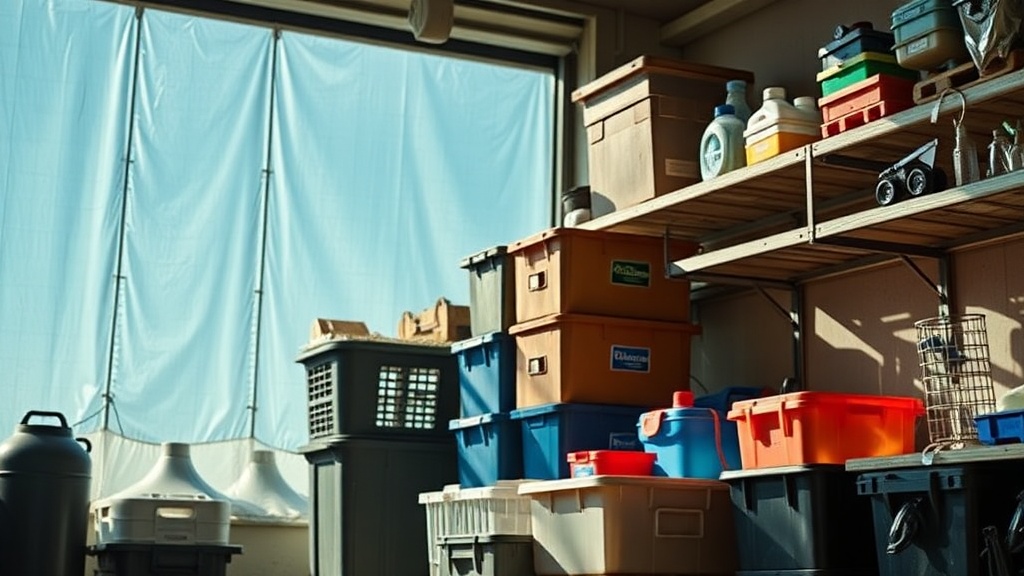
| Plastic Bin Totes | Excellent for long-term, bulk storage. | Zero visibility; can trap moisture. |
| UV-Protected Cases | Highest level of protection. | Expensive and heavy. |
If you're using plastic bins, be careful. Not all plastics are created equal. Some cheap storage bins actually "off-gas" chemicals that can react with the paint on your figures. This is why I always recommend high-quality, BPA-free containers if you're storing things long-term. (I've seen more than one figure ruined by a cheap bin than by actual sunlight.)
Temperature matters too. If your storage area fluctuates between freezing and sweltering, the plastic will expand and contract. This constant movement causes micro-fractures. Keep your collection in a climate-controlled room—never a garage or an uninsulated attic.
Can UV-Protective Film Save My Display?
UV-protective film can significantly reduce the amount of harmful radiation hitting your toys, but it isn't a total solution. These films are designed to block a large percentage of UV rays, which helps prevent the dreaded "yellowing" of white plastics. It's a great middle ground for collectors who want to display their items without hiding them in a dark closet.
If you have a glass-fronted display cabinet, you have a few options. You can apply a UV-filtering film directly to the glass, or you can look for specialized display cases. It's a bit of an investment, but it's much cheaper than replacing a ruined collection.
A few things to keep in mind when using film or specialized glass:
- Check the wavelength: Ensure the film or glass is rated for UV-blocking, not just "tinted." A dark tint doesn't always mean UV protection.
- Watch the heat: Some window films can trap heat. If you're sticking film on a window, make sure it doesn't turn your display case into a greenhouse.
- Test small: If you're using a new type of acrylic or film, test it on a low-value item first. You don't want to find out it reacts poorly with your paint after the fact.
I often suggest that collectors look into the properties of ultraviolet light to understand why certain materials react the way they do. It's not just a "maybe" issue; it's a physics issue. The energy from the light is physically breaking the polymer chains. You can't fight physics, but you can certainly work around it.
When I'm looking at my own shelves, I try to balance the "wow" factor of a display with the safety of the items. It's a constant tug-of-war. I want people to see the toys, but I also want them to last for decades. Using LED lighting is a huge help here. Unlike old-school incandescent bulbs, LEDs produce very little heat and almost no UV radiation. It's a simple switch that makes a massive difference.
If you're serious about your collection, don't settle for "good enough." A little bit of planning now prevents a lot of regret later. Whether you're a casual fan or a hardcore investor, your plastic legacy depends on how you treat it today. Keep it cool, keep it dark, and keep it dry. Your future self will thank you when your figures still look as fresh as the day you unboxed them.