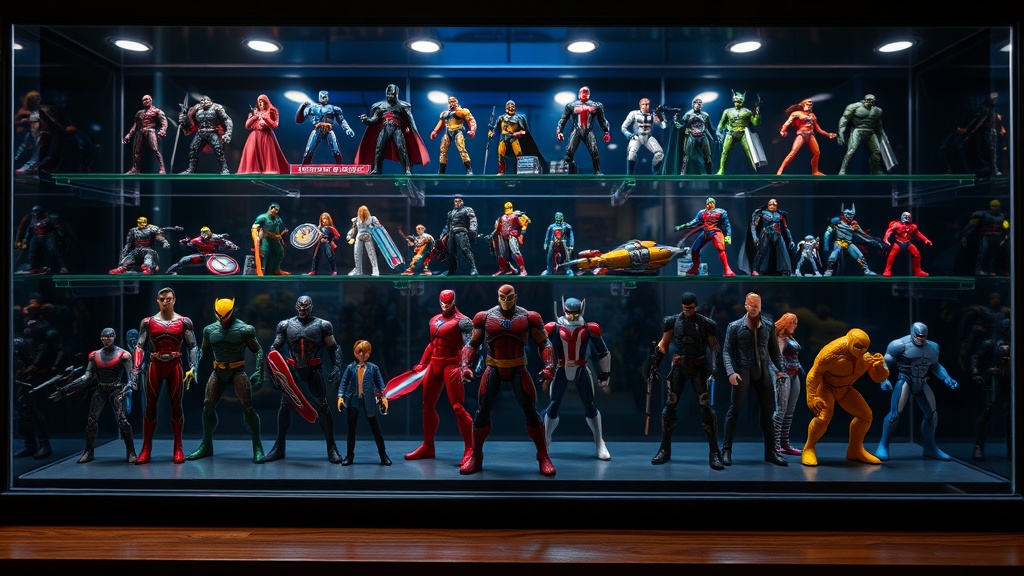
Selecting Display Cases for Your Plastic Figure Collection

Protecting Your Plastic Figures from Dust and Sunlight
Imagine walking into your hobby room after a month of travel, only to find a thick layer of grey fuzz coating your 1990s McDonald's promotional figures. Or worse, you notice the vibrant red of a vintage character has faded into a dull pink because it sat too close to a window. This isn't just a matter of aesthetics; it's about preserving the structural integrity and resale value of your collection. Choosing the right housing for your toys involves more than just picking a pretty box. It requires an understanding of material science, light exposure, and spatial management.
Collectors often make the mistake of thinking any shelf will do. However, a standard open bookshelf is a magnet for dust, which can actually become abrasive over time. If you're dealing with high-value items, you need a barrier. Whether you use acrylic cases, glass cabinets, or specialized display boxes, the goal is to create a controlled environment where the toys stay exactly as they were when you first unboxed them.
What Material is Best for Toy Displays?
When you start looking at display options, you'll notice a massive difference between acrylic (often called Plexiglass) and glass. Acrylic is lightweight and virtually unbreakable—a big plus if you have kids around or if you move your collection frequently. It's also much easier to cut or modify if you want to build a custom layout. However, it tends to scratch more easily than glass, which can be a headache if you're constantly cleaning it.
Glass, on the other hand, is the gold standard for clarity and scratch resistance. If you've invested in a high-end display cabinet, glass provides a premium look that acrylic sometimes lacks. The downside? Weight and fragility. If you're a collector who prefers a modular approach—moving small sections of your collection around—acrylic might be your best bet. If you want a permanent, heavy-duty centerpiece, go with glass. You can check out the material standards for archival-grade storage at the Smithsonian Institution to see why material choice matters for long-term preservation.
- Acrylic: Best for lightweight, modular, and shatterproof needs.
- Glass: Best for clarity, weight, and scratch resistance.
- Polycarbonate: An even tougher option, though often more expensive and harder to find in small hobby sizes.
How Can I Prevent UV Damage to My Figures?
UV radiation is the silent killer of plastic collections. It breaks down the chemical bonds in the polymers, leading to "chalking" or color bleaching. If your display case sits in a room with a lot of natural light, even if it's not in direct sunlight, you're at risk. The light filtering through windows carries enough energy to degrade even the most durable plastics over several years.
To combat this, you have two main paths: changing the location or upgrading the case. If you can't move the cabinet, look for cases that feature UV-resistant coatings. Many high-end display brands now offer UV-filtering acrylic. Additionally, using LED lighting inside your cases is much safer than traditional incandescent bulbs. Incandescent bulbs emit heat and UV-adjacent light that can bake your toys from the inside out. LEDs stay cool and offer a consistent, controlled spectrum. For more technical data on how light affects materials, the National Park Service provides excellent resources on environmental factors in preservation.
A common mistake I see in the community is using "cheap" plastic bins as displays. While they keep dust out, they often trap heat and moisture, which can lead to a "sticky" texture on certain types of vintage plastic. Always ensure there is a small amount of air circulation, or use a case specifically designed for display purposes rather than just storage.
How Should I Arrange My Figures for Maximum Visibility?
Organization isn't just about being neat; it's about viewing angles. If you pack your figures too tightly, the ones in the back become invisible, and you risk scratching their paint during any necessary adjustments. I recommend a tiered approach. Using acrylic risers allows you to place smaller or shorter figures in the front and taller ones in the back, creating a "stadium seating" effect.
When planning your layout, consider the following:
- Depth: Don't crowd the back row. Leave at least an inch of space to allow for air movement.
- Theme Groups: Grouping by era (e.g., 80s vs 90s) or by franchise helps the eye navigate the collection more easily.
- Height Variation: Use stepped platforms to ensure every single figure is visible from a standing or sitting position.
If you're displaying much larger items, like vintage playsets or larger figurines, you'll need to account for the footprint. A display case that is perfectly sized for one item might not fit the next one you buy. It's always better to buy a case that is slightly larger than your current largest item to allow for future growth. This "breathing room" also prevents the figures from knocking into each other if the case is bumped.
Finally, remember that your display is a living part of your collection. As you find new pieces, your display strategy will change. Don't be afraid to rotate pieces out of the main case into a secondary storage area to keep your primary display fresh and interesting. A collection that stays static for years can sometimes lose its visual impact; a little rotation keeps the hobby exciting.