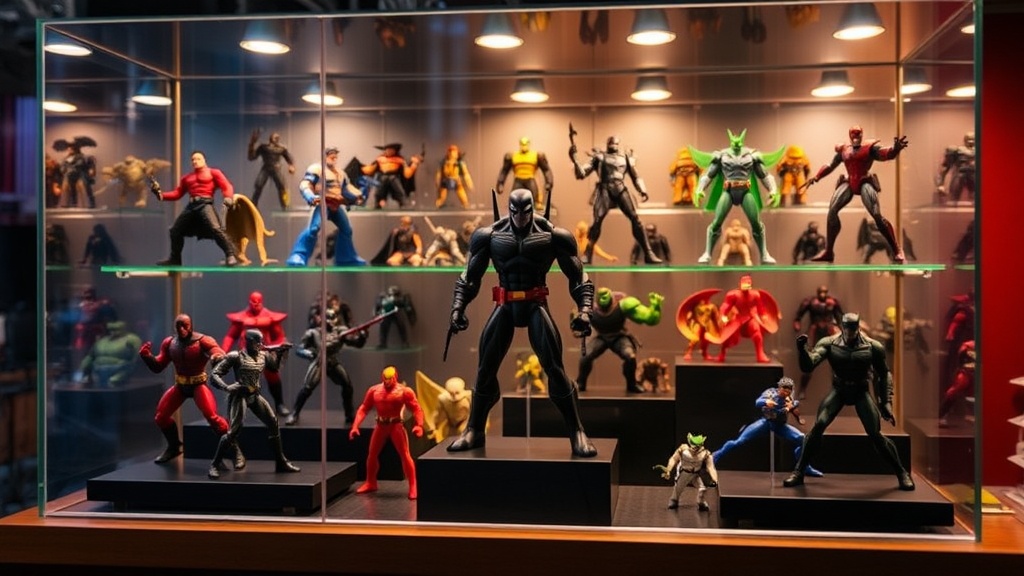
Selecting the Right Display Cases for Your Plastic Figures

Imagine walking into a room and seeing your prized 1990s McDonald's Teenie Beanie Baby collection sitting unprotected on a standard wooden shelf. A single accidental bump from a passing sleeve or a stray drop of water from a nearby drink could result in a broken limb or a faded surface. Choosing how to house these small plastic treasures isn't just about aesthetics; it's about creating a controlled environment that prevents degradation. This guide covers the different types of display housing available, from basic acrylic boxes to specialized museum-grade enclosures, so you can protect your investment effectively.
The primary enemies of a toy collection are dust, UV light, and humidity. If you've ever seen a vintage figure with a sticky residue or faded paint, you've seen the results of poor environmental control. A display case acts as a barrier against these elements, but not all barriers are created-built equally. You need to decide if you're looking for a way to show off a single high-value piece or if you need a system to hold dozens of smaller figures in a cohesive way.
Which Material Works Best for Plastic Figure Protection?
When you're browsing for cases, you'll likely encounter three main materials: acrylic, glass, and polystyrene. Each has its own set of pros and cons that affect how long your toys stay in top shape. Acrylic is the heavy hitter for many collectors because it's lightweight and impact-resistant. It's much harder to crack than glass, which is a major plus if you have kids or pets in the house. However, low-quality acrylic can scratch easily if you aren't careful when cleaning it.
Glass is the traditional choice for high-end collectors. It's incredibly clear and won't scratch as easily as plastic, but it lacks the durability of acrylic. If you're displaying a heavy set of vintage 1980s metal-based toys, glass might be a better option due to its structural integrity. On the other hand, polystyrene is the budget-friendly option often found in big-box stores. While it's inexpensive, it's often much thinner and can warp over time if exposed to heat. For serious collectors, I usually suggest sticking to high-grade acrylic or tempered glass to ensure your figures stay safe for decades.
What Are the Best Ways to Prevent UV Damage?
One of the most overlooked aspects of toy collecting is the way light affects plastic. Sunlight—specifically UV rays—can cause a process called photodegradation. This is what makes your brightly colored figures look dull, yellowed, or even brittle over time. If your display shelf is near a window, you aren't just fighting dust; you're fighting the sun.
To combat this, look for cases that include UV-resistant properties. While no consumer-grade plastic case is 100% UV-proof, high-quality acrylic offers significantly better protection than standard clear plastic. You can also use UV-filtering film on your windows to mitigate the damage. It's a small step that makes a huge difference in maintaining the vibrant colors of your vintage sets. If you're serious about long-term preservation, check out the guidelines provided by the Library of Congress regarding the preservation of physical objects to understand how light affects materials.
How Much Space Does Each Figure Need?
A common mistake is overcrowding a case. It's tempting to cram as many figures as possible into a single display to show off the scale of your collection, but this can be a mistake. When figures are touching, they can actually bond together over time due to chemical reactions in the plastic, or they might scratch each other's paint.
Consider the following spacing rules for your displays:
- Single Figure Display: If the item is a rare, high-value piece, give it an entire case to itself. This prevents any accidental contact with other items.
- Themed Sets: When displaying a specific series (like a complete set of promotional figures), leave at least half an inch of space between each figure.
- Variable Heights: Use acrylic risers to create depth. This allows you to see the back rows without them being obscured by the front rows.
Using risers is a pro tip for maximizing visibility without sacrificing safety. You can find many tiered stands designed specifically for small figurines. This creates a "stadium seating" effect, ensuring that the figures in the back aren't hidden by the ones in the front. This method also makes it easier to grab a single piece for cleaning or inspection without disturbing the entire set.
If you are looking for more technical data on how different plastics age, the American Chemical Society offers resources on polymer stability that are very helpful for understanding why certain older toys might feel "tacky" or sticky. This is often a sign that the plasticizers in the material are migrating to the surface, and a sealed case can help slow this process down.
The way you organize your display can actually change how long the items last. A cluttered case is a hard-to-clean case. If you have a thick layer of dust on your figures, you'll eventually be tempted to take them out of the case to clean them. Every time you move a figure, you risk dropping it or scratching the surface. A well-ventilated, easy-to-access case is much better than a sealed box that you can never open because it's too difficult to reach the items inside.
Before you buy your next display, measure your largest piece. Not just the height, but the widest part of the toy. A figure might be 3 inches tall, but if it has wide arms or a bulky base, it might not fit in a standard 4-inch cube. Always account for the "wiggle room" needed for cleaning tools. You'll want enough space to get a small soft brush or a microfiber cloth around the figure without hitting the walls of the case. This is where many people go wrong—they buy a case that fits the toy perfectly, but leaves zero room for maintenance. A little extra space goes a long way in the long run.