The Complete Guide to Collecting McDonald’s Toys: Value, Rarity, and Smart Buying Strategies

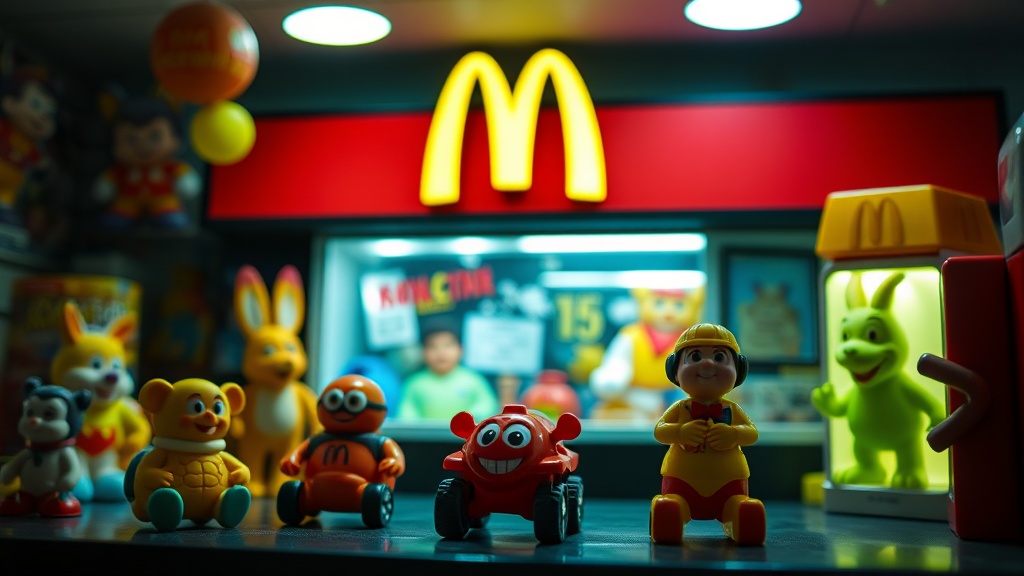
There’s a moment every collector remembers: opening a Happy Meal and realizing the toy inside wasn’t just disposable plastic—it was part of something bigger. McDonald’s toys have quietly become one of the most accessible, nostalgic, and surprisingly valuable collectible categories out there.
This guide is built for both new collectors and seasoned hunters who want to sharpen their approach. We’re not here to romanticize everything—some toys are junk, some are gold, and knowing the difference is what separates casual fans from serious collectors.
Understanding What Makes McDonald’s Toys Collectible
Not every toy deserves shelf space. The first step is understanding why certain items stand out while others end up in bargain bins.
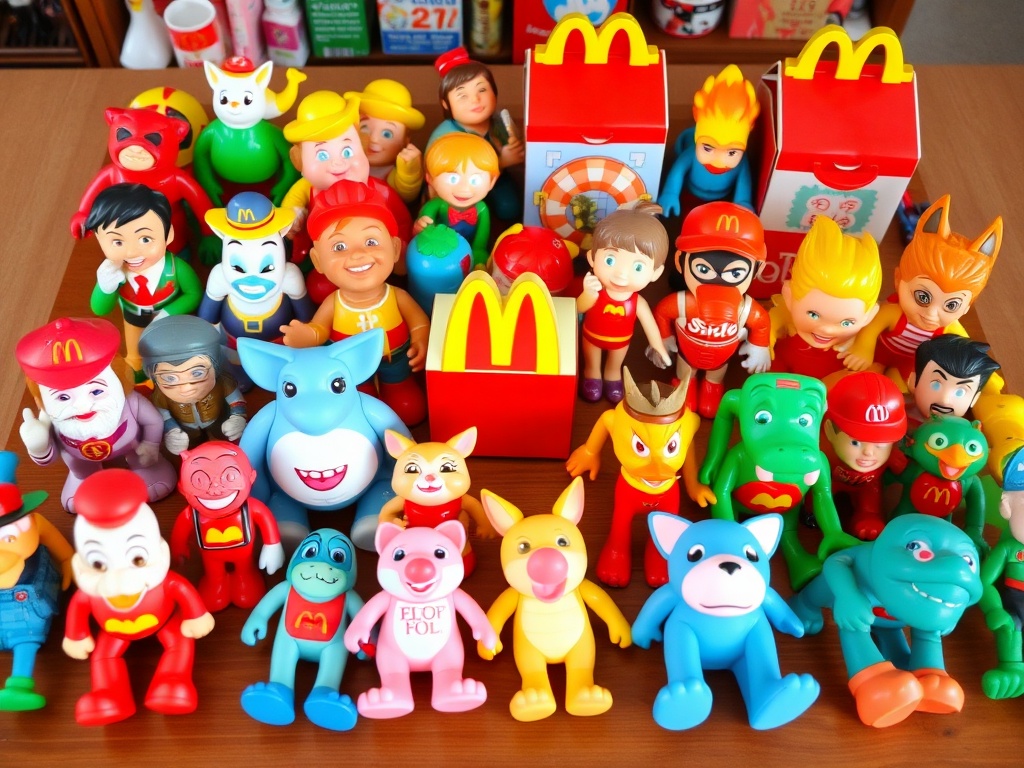
Three core factors define collectibility: nostalgia, scarcity, and condition. Nostalgia drives demand—sets tied to major franchises or specific childhood eras often spike in interest. Scarcity matters because not all toys were distributed equally across regions or timeframes. Condition is the silent killer; even rare toys lose value fast when damaged.
Collectors often underestimate how quickly “common” toys become harder to find in pristine condition. A toy released in massive quantities can still become valuable if few survive unopened.
Step 1: Choose a Focus (Don’t Collect Everything)
The biggest mistake beginners make is trying to collect everything. That’s how you end up with bins of low-value clutter.
Instead, define a lane:
- Era-based: 1980s, 90s, early 2000s
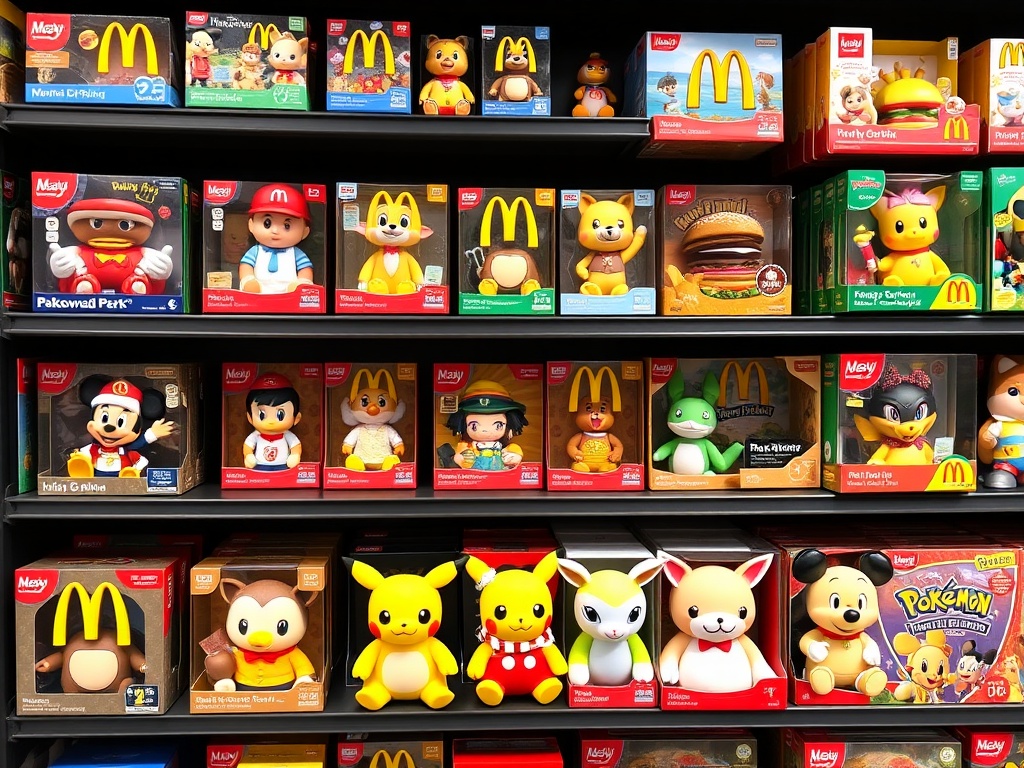
- Franchise-based: Disney, Pokémon, Hot Wheels
- Character-based: Ronald McDonald, Grimace, etc.
- Set completion: Full Happy Meal series
Collectors who focus tend to build stronger, more valuable collections. A complete themed set will almost always outperform a random assortment.
Step 2: Learn the Difference Between Common and Rare
Here’s the uncomfortable truth: most McDonald’s toys are not rare. But the ones that are can surprise you.
Rare toys often come from:
- Limited regional releases
- Short production runs
- Promotional tie-ins that were pulled early
- Test market distributions
On the flip side, mass-produced global releases are usually common unless they remain sealed.
Watch for subtle differences. Variants—like color changes or packaging differences—can create hidden rarity that casual collectors miss.
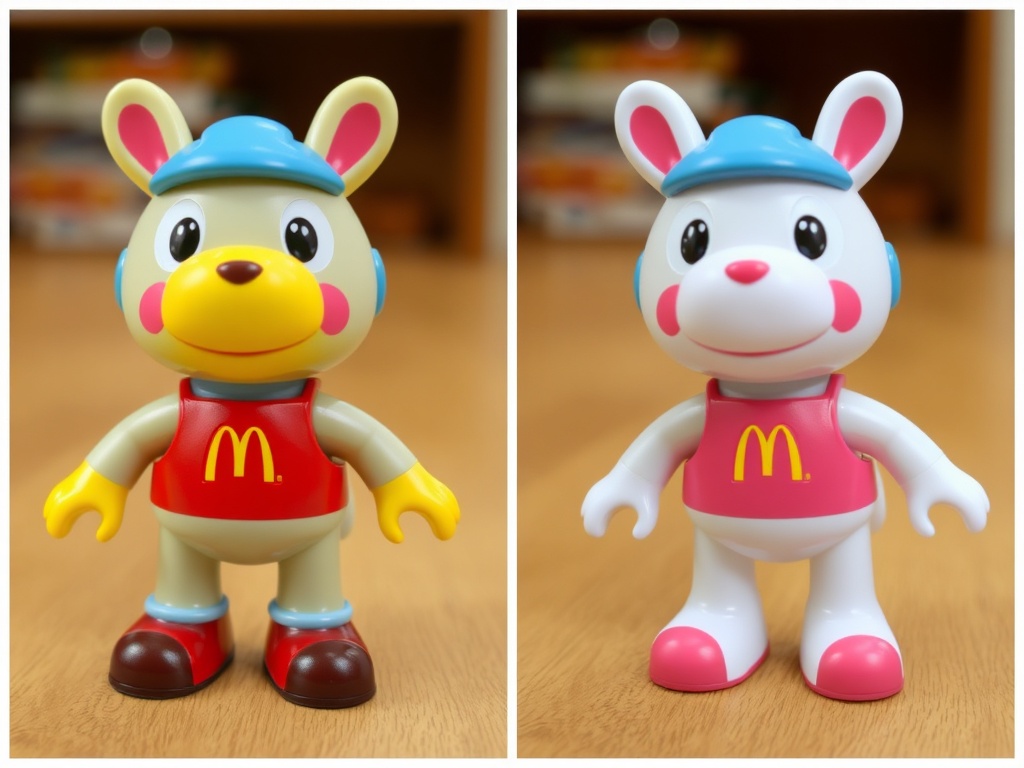
Step 3: Condition Is Everything (More Than You Think)
You’ll hear this everywhere, but it’s still underestimated: condition is king.
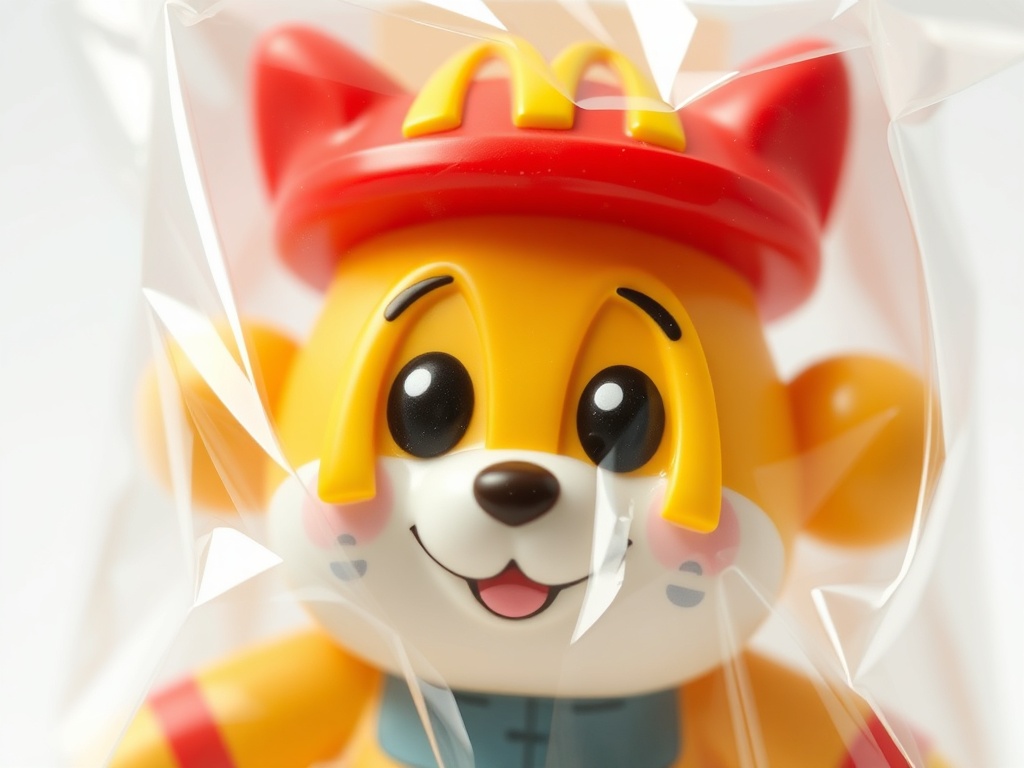
A sealed toy can be worth several times more than the same toy opened. Even minor wear—scratches, faded paint, or missing accessories—can cut value dramatically.
There are three main tiers:
- Sealed (Mint): Highest value, untouched packaging
- Opened (Complete): All parts present, minimal wear
- Loose: Played with, often incomplete
If you’re collecting for value, prioritize sealed or near-mint items. If you’re collecting for nostalgia, balance your budget accordingly.
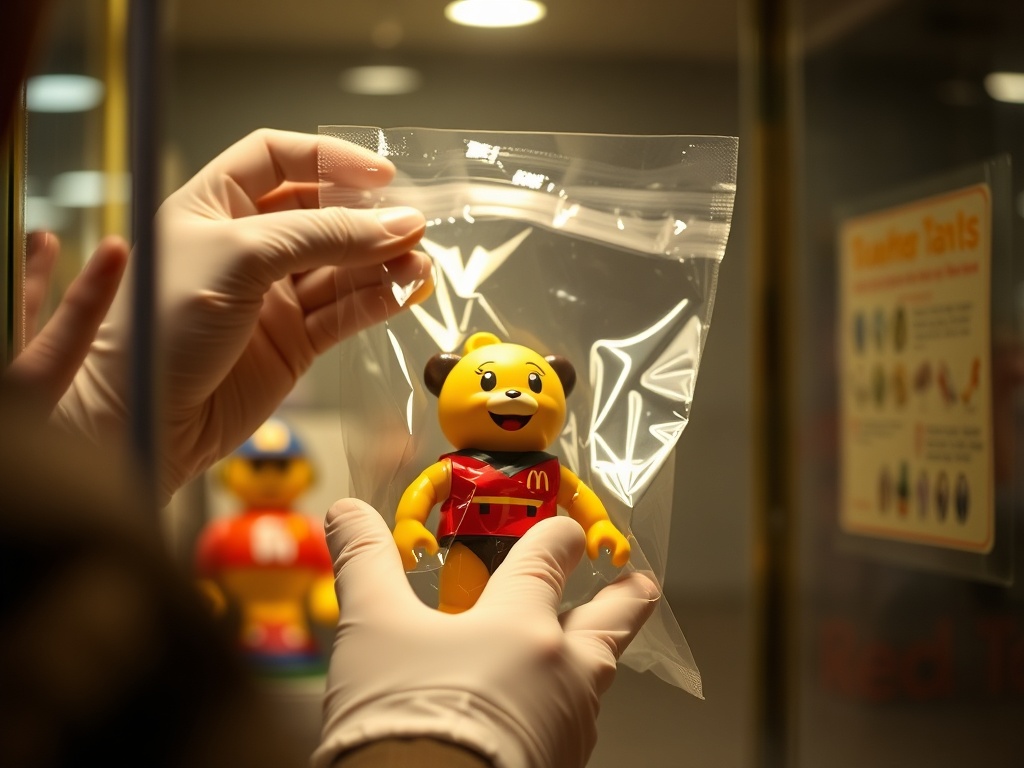
Step 4: Where to Find the Best Deals
Not all buying channels are equal. Some are goldmines, others are overpriced traps.
Here’s where experienced collectors look:
- Local marketplaces: Often undervalued bulk lots
- Thrift stores: Hit-or-miss, but occasionally incredible
- Garage sales: Best for cheap finds
- Online auctions: Competitive but transparent pricing
- Collector groups: Strong for trades and fair deals
The trick is patience. The best deals rarely look polished—they’re buried in mixed listings or poorly photographed bundles.
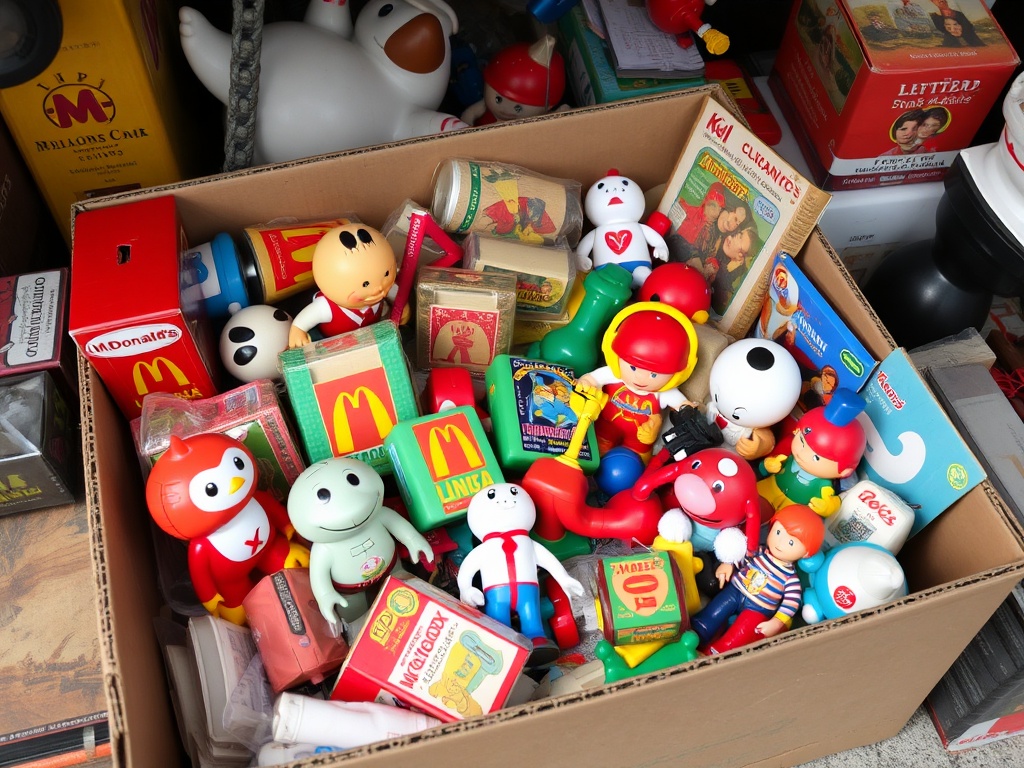
Step 5: Avoid Overpaying (Even for “Rare” Items)
Hype is the enemy of smart collecting. Just because something is listed as “rare” doesn’t mean it is.
Before buying:
- Check recent sold listings, not asking prices
- Compare multiple sellers
- Look for complete sets instead of single pieces
New collectors often overpay early. That’s part of the learning curve—but you can minimize it by staying skeptical.

Step 6: Storing and Displaying Your Collection Properly
Bad storage destroys value faster than anything else.
Keep your collection:
- Away from direct sunlight (prevents fading)
- In dry environments (avoids warping and mold)
- In protective cases or bins
For display, clear shelving works best. It keeps visibility high while protecting the toys. Serious collectors often rotate displays to reduce exposure damage.
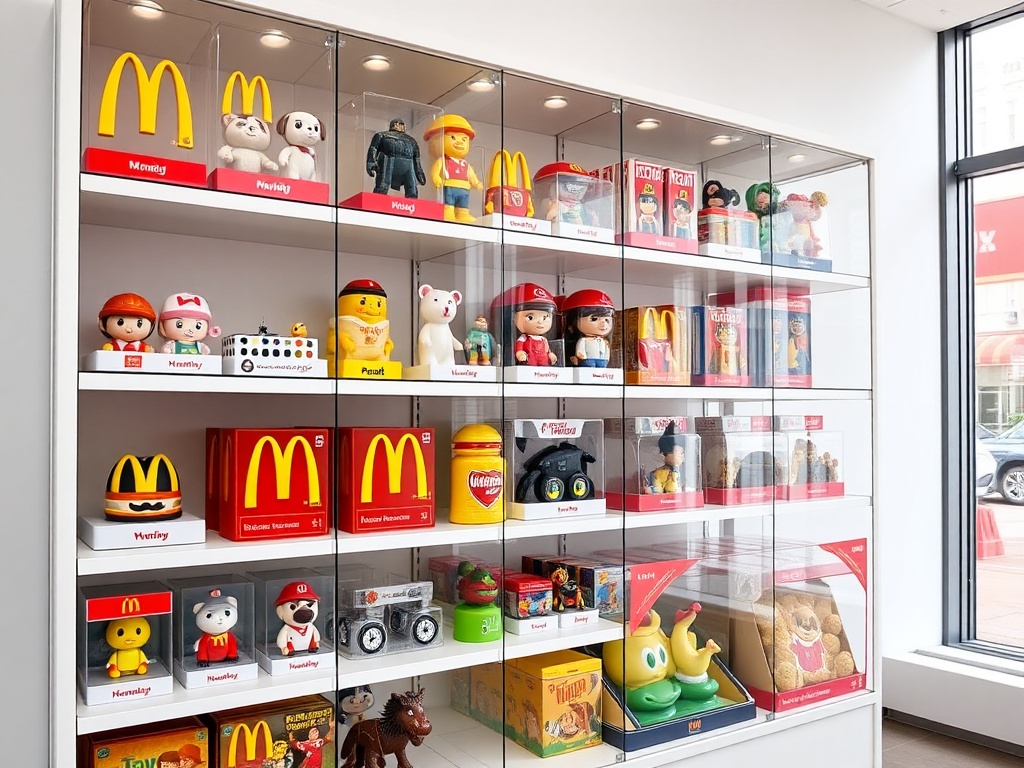
Step 7: When to Sell (And When to Hold)
Not every collector wants to sell—but knowing when matters.
Sell when:
- A set reaches peak nostalgia demand
- You have duplicates
- Market interest spikes due to media or anniversaries
Hold when:
- You’re building a complete set
- The market is saturated
- You personally value the item
The smartest collectors treat their collection as both passion and asset—but they don’t rush decisions.
Common Mistakes That Kill Collections
Let’s be blunt—most collections lose value because of avoidable mistakes.
- Buying everything without focus
- Ignoring condition
- Overpaying for hype items
- Storing toys improperly
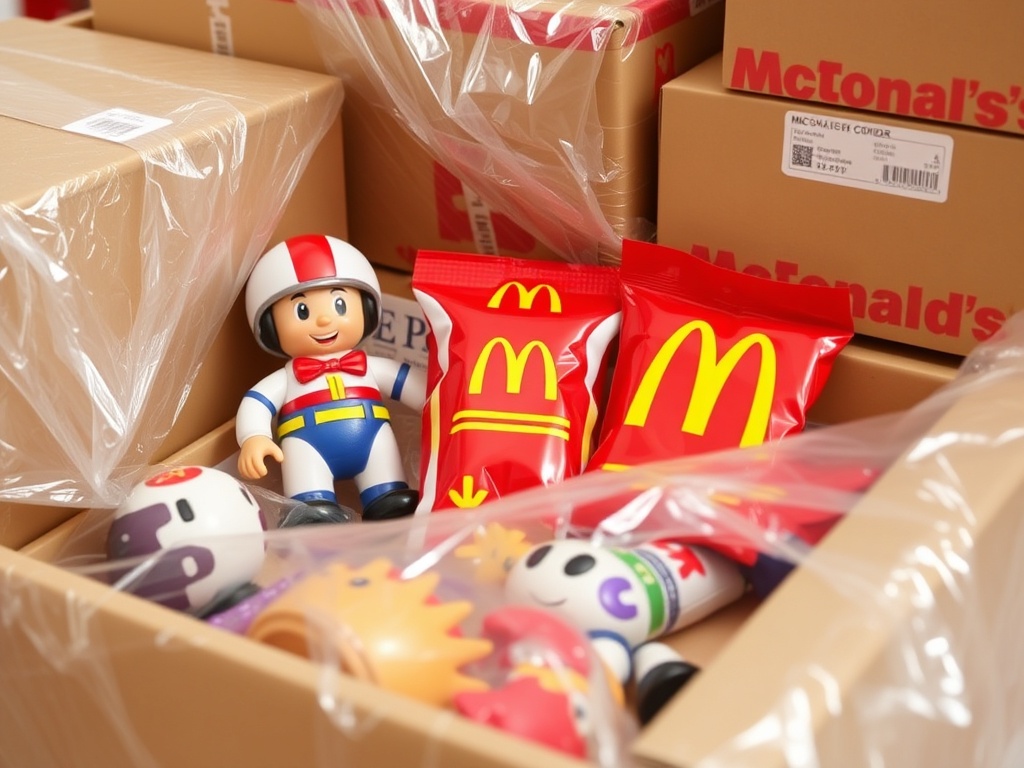
- Throwing away original packaging
If you avoid these five issues, you’re already ahead of most collectors.
Final Thoughts: Build a Collection You Actually Enjoy
It’s easy to get caught up in value charts and rarity lists, but the best collections aren’t just valuable—they’re personal.
Some of the most meaningful pieces won’t be the rarest or most expensive. They’ll be the ones tied to memories, moments, and specific eras of your life.
Collect smart, but collect with intent. That’s how you build something that lasts.