Where Should You Keep Your Plastic Figures for Long-Term Preservation?

Why Does Environment Matter for Plastic Toys?
Have you ever opened a vintage box only to find that the figure inside looks slightly tacky or has lost its vibrant color? It isn't just bad luck; it's a direct result of how the material reacts to its surroundings. When we talk about collecting McDonald's-era plastic, we aren't just talking about toys—we're talking about chemically sensitive polymers that react to light, heat, and humidity. Understanding these reactions is the difference between a collection that stays bright and one that becomes a sticky, faded mess.
Most collectors focus on the hunt, but the real work begins once the figure is in your hands. Plastic, specifically the types used in mass-produced Happy Meal toys, can suffer from several issues if left unattended. For example, certain types of PVC (polyvinyl chloride) can actually "off-gas." This is a process where the plasticizers—the chemicals that make the toy flexible—leak out. If you've ever noticed a weird smell or a sticky surface on an older toy, you've encountered this. This isn't just an aesthetic problem; it can actually damage other items nearby if you aren't careful.
Temperature is another massive factor. High heat can soften the plastic, making it prone to warping or even melting slightly at the seams. On the other hand, extreme cold can make certain plastics brittle. Maintaining a stable, room-temperature environment is the single best thing you can do for the longevity of your figures. It’s a bit of a balancing act, but once you get the hang of it, your collection will look much newer for much longer.
Is Sunlight the Enemy of My Toy Collection?
Is there a reason why your vintage figures look duller than the ones you see in professional museum displays? The answer is almost certainly UV radiation. Sunlight is a relentless force. Even if you don't see a direct beam hitting your shelf, ambient light from a nearby window can cause significant photodegradation. This leads to two main issues: fading and brittleness.
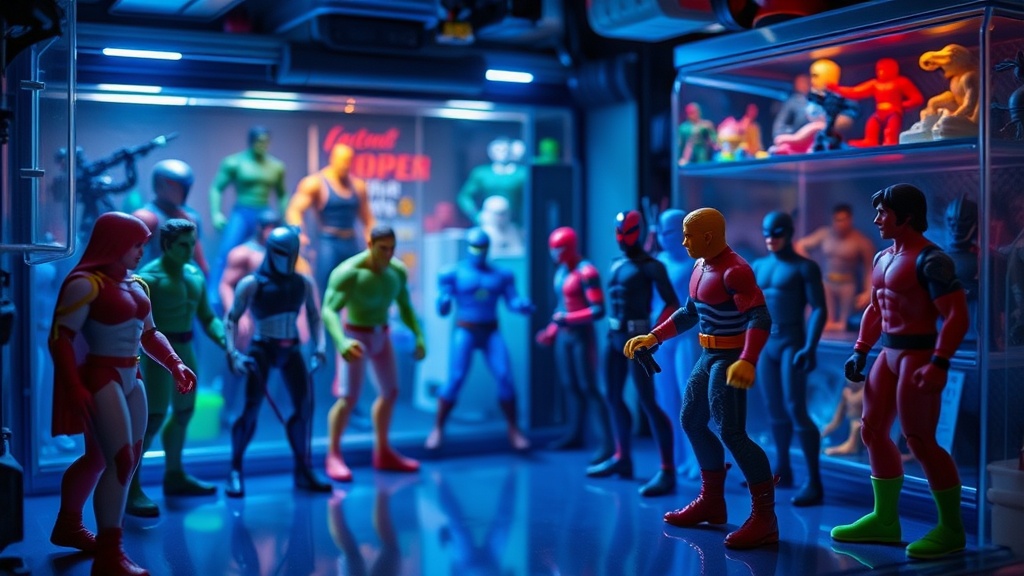
UV rays break down the chemical bonds in the dyes used to color the plastic. This is why a bright red figure from the 90s might look a pale pink if left on a sunny windowsill. It isn't just the surface color that changes; the UV light can penetrate the top layers of the plastic, causing the structural integrity to fail. To avoid this, many collectors use UV-filtering acrylic cases or specialized display-grade shelving. If you're displaying toys in a room with large windows, consider using heavy curtains or blinds to control the light exposure throughout the day.
If you want to see how professional archivists handle light sensitivity, you can check out resources like the